Enterprise security stories
The hire underscores CTERA's push into a fast-growing segment as ransomware drives demand for stronger protection of live storage data.
Industrials remained the main target as the monthly ransomware total eased 7%, even as The Gentlemen surged to second place among active gangs.
Security teams face faster attack cycles as eSentire extends Atlas with agentic AI and appoints Ilan Mindel as Chief Cyber Officer.
Industrial operators are turning to tighter network controls to curb cyberattacks, with OT now featuring in 26% of Zero Networks deals.
Data centre work is set to lift future revenue, with PMT booking three multi-million-dollar security contracts in its strongest month to date.
Security teams can now fold supplier risk alerts into incident response as GuidePoint's new service targets breaches from third-party tools.
Security teams can now track Claude Enterprise chats and file uploads alongside other AI tools, helping firms spot sensitive data exposure.
Broader security platforms are gaining favour as UK and Irish customers seek simpler compliance and AI governance tools.
Reco COO Zoe Hillenmeyer says enterprises typically underestimate their AI agent exposure by a factor of ten and that gap is widening.
The wider tie-up will give resellers and managed service providers a broader security portfolio as AI and compliance demands intensify.
Organisations using Microsoft Teams will gain new defences against phishing and impersonation as attackers shift beyond email to trusted chat tools.
Security teams in Australia and New Zealand may soon triage flaws faster as TrendAI uses Claude Opus 4.8 to assess exploitability and impact.
Infrastructure operators face rising cyber risk as Claroty rolls out Claire, an AI agent that maps assets and flags compliance gaps.
A 53.42% revenue rise put Keeper Security just behind Google in Gartner's 2025 ranking of the fastest-growing security software vendors.
Security teams may get broader visibility into phishing campaigns as Doppel adds inbox defence to its platform for social engineering attacks.
Nearly half of large Irish organisations still lack confidence in spotting attackers early, leaving customer data and operations exposed.
UK firms face tighter cyber rules and faster reporting deadlines, as a new package combines protection, compliance and insurance cover.
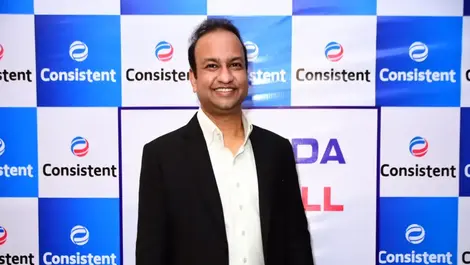
The awards bolster Consistent's push into locally made security and gaming gear, as it unveils STQC-certified cameras for Indian buyers.
Organisations can recoup their outlay in six months, as the study found video management software cut investigation times and lifted productivity.
Indian airports and other vital infrastructure will gain round-the-clock threat monitoring as Securonix and GRAMAX extend managed cyber defence services.










.webp)