Critical Infrastructure stories
Rising losses and tighter underwriting are forcing insurers to treat data centres as mission-critical infrastructure rather than specialist property.
Large-scale rollout of Agentic AI in telecoms will hinge on common standards, governance and safety controls, NGMN warned.
Industrial firms face growing disruption as ransomware incidents rose 12% to 1,140 in the second quarter, Dragos said.
Visitors at large sites may face tighter identity checks as the new kiosk links document scanning, face matching and badge issuance in one step.
Government and media sites were hit hardest as Cloudflare reported 23.2 million network-layer DDoS attacks in the first half of 2026.
Public backing has handed Eventus Security another boost as it competes in a crowded managed security market facing rising cyber threats.
Tighter safeguards and pauses on internal work follow early tests that left OpenAI unable to rule out critical cyber capabilities in Astra.
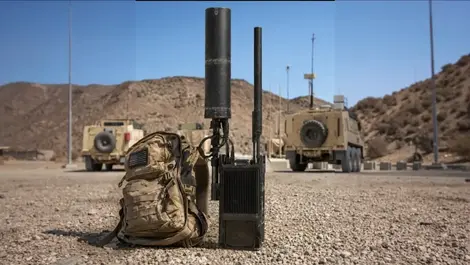
Demand for counter-drone tools is rising as armed forces seek portable kit that can interpret radio signals in the field, not just collect them.
Nearly half of senior IT leaders now prioritise data residency controls, as regulators and governments push AI workloads into local environments.
The readiness push could help the Arizona-based group win European customers as regulators scrutinise video analytics more closely under the EU AI Act.
Federal agencies can now buy QuSecure's post-quantum software more easily as Carahsoft adds the QuProtect R3 platform to its GSA Schedule contract.
Extreme heat, flooding and grid strain could knock critical UK hosting services offline, Krystal warns, as older sites face rising climate pressure.
The award could help steelmakers cut fuel use and emissions by replacing hours-long simulations with near real-time software decisions.
Hybrid critical infrastructure estates are leaving contractor and vendor access unseen, raising compliance and supply chain risk under reformed CIRMP rules.
Residents were warned too late as Ohakune's reservoir emptied, leaving businesses and households without water on a busy winter weekend.
Microsoft expects Macquarie Cloud Services' Azure use to reach USD $278 million over three years, underlining demand for cloud migration work.
Supermarkets and hospitals could face spoiled stock and medicines after flaws in two widely used refrigeration controller platforms were disclosed.
Failed system upgrades could disrupt production, safety and payroll in Australian mines more than cyberattacks, as AI and ERP change accelerates.
As climate shocks intensify, cities can cut outages and delays by linking water, power and transport into one view.
Rising AI-driven threats are pushing firms to consolidate security operations, as ServiceNow adds automation across exposure, identity and incident response.



















.webp)