Digital divide stories
The spending aims to add skilled jobs and local AI access as Thailand races to become South East Asia’s digital hub.
The five-year spend will fund cloud and AI infrastructure, while 200,000 Singapore students get free access to Microsoft 365 Premium with Copilot.
Direct use is boosting trust in conversational AI, with 82% of active users reporting measurable value and many still wary of deployment costs.
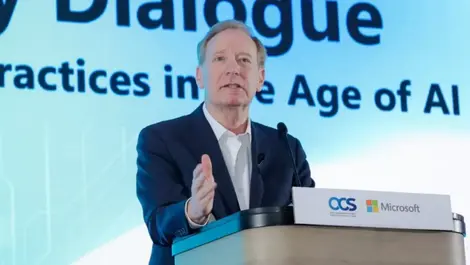
The world may face faster job losses and cyber risks than many expect as OpenAI urges governments to debate AI rules before decisions turn urgent.
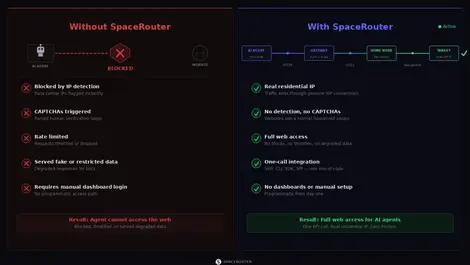
AI agents may find fewer websites blocking them as residential IP routing helps avoid CAPTCHA checks, rate limits and bans.
Wider use of medical AI will stall without faster networks, as surgeons and emergency teams need near-real-time links to work safely.
Britain’s seventh-place finish reflects weaker search interest in home protection, even as its smart security infrastructure score remained high.
Mobile money transactions topped USD $2 trillion in 2025 as global use surged, led by Sub-Saharan Africa but with growth across all regions.
Nearly half of UK workers expect to job hunt within a year, as poor internal communication is eroding retention and productivity.
New Zealand charities will gain donated AI training places as businesses buy academyEX licences, widening access beyond the corporate sector.
A UK survey suggests connectivity now outranks heating for many households, with 32% willing to go cold for a week to stay online.
Poor communication is undermining retention across North American workplaces, with many engaged staff still planning to quit within a year.
Free data, donated devices and rural coverage have helped one million digitally excluded people in the UK get online, Virgin Media O2 said.
The free two-year service will give young people at Bentswood Hub faster access to homework help, digital skills and online support.
A new satellite link could keep mobile service alive in remote Irish areas and during outages, using ordinary smartphones without special kit.
Canada's decade-long drive to make 50/10 Mbps broadband a universal basic service nears 2030 goals, but remote regions remain hard to reach.
One NZ has switched off its 2G and 3G networks nationwide, freeing spectrum for faster 4G and 5G and leaving holdouts needing new phones.
More than 3m UK homes have switched to digital landlines as BT warns those ignoring the rollout risk disruption before analogue ends in 2027.
ICS.AI unveils a national higher education AI model giving UK students free access to campus tools in a bid to close the AI skills gap.
Most UK companies now use AI, but a major survey finds small and mid-sized firms report little impact on headcount or job roles so far.